Scanning reveals it
A scan maps your dependencies to the public companies behind them and the stock tokens they represent. It never buys, holds or claims anything on your behalf.
Capital infrastructure for software
STACKHOLDER turns software dependencies into a verifiable map of the public companies behind them—then helps your agents build a pension from the infrastructure they use.
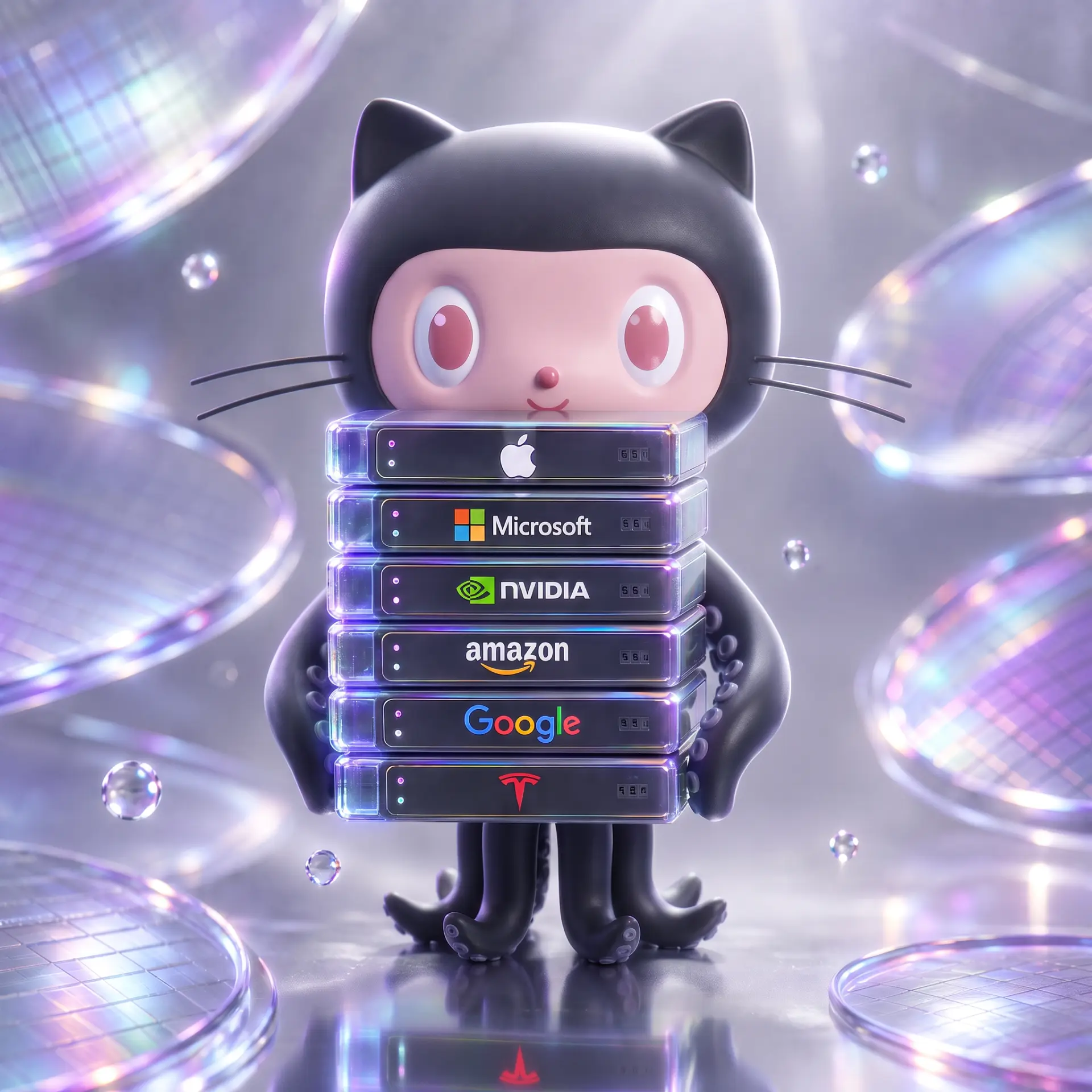
Token
Every field below is read directly from the contract on Robinhood Chain each time this page loads — nothing here is stored or typed by hand.
View on explorerContract address
0xe2081ac52b9013cc0102857fff977f9b7823a334A scan maps your dependencies to the public companies behind them and the stock tokens they represent. It never buys, holds or claims anything on your behalf.
Ownership is opt-in. Compose a stack-derived allocation, route agent earnings into a Machine Pension, or buy a token with an explicit on-chain signature.
Four stages, each one inspectable. Hover or focus a stage to see an example and where its evidence comes from.
A repository connects to the services it uses, those services to their public parent companies, and those companies to supported Robinhood Stock Tokens.
Preview shape only, built from documented ownership facts. Scan a repository to produce your own graph with per-edge evidence.
Machine Pension
When an agent earns, a policy can reserve part of that income for the companies supplying its compute, models and infrastructure.
Your code reveals the stack. Your machines build the pension.
Design a pension policyMACHINE PENSION is a product metaphor, not a regulated retirement or pension product.
Example pension policy
Illustrative policy shape. Your own figures appear only from verified earnings and live market data.
STACKHOLDER is built on inspectable software relationships, not AI-generated investment narratives. Nothing enters an allocation without evidence behind it.
Every company relationship includes evidence: a source URL, a title and the date it was verified.
Users can exclude, replace or challenge mappings, and propose corrections with their own evidence.
Every scan records how the stack changed over time, so drift in a repository is visible.